Espresso Beans vs Coffee Beans
Can you pull a shot with the bag you use for drip, or brew a pot with espresso beans? Yes to both, and here's what changes in the cup, plus what to look for on the label before you buy.
We earn a commission when you buy through our links, at no extra cost to you. How that works
Espresso beans and coffee beans come off the same trees. There's no espresso plant and no espresso bean. When a bag says "espresso," the roaster is telling you it chose a roast and a blend that taste good squeezed into a short, strong shot, usually on the darker side and heavy on chocolate and caramel. What makes a cup espresso is the brewing: hot water pushed hard through a small puck of very finely ground coffee, done in under a minute.
So the label is a suggestion, and you can ignore it in either direction. If you want the taste most people picture when they order an espresso, thick and bittersweet with a tan layer of crema on top, Super Crema is the bag to start with. It's the Italian café style, it holds up under milk, and a 2.2 lb bag makes well over a hundred shots.
What "espresso roast" means on a bag
It means "we think this works as espresso." That's all. There's no standard behind the word, and you can see it on Amazon: Intelligentsia sells its Black Cat espresso as a light roast, and Starbucks sells its Espresso Roast as a dark roast. It's the same word at opposite ends of the roast.
What roasters usually do for espresso comes down to two things.
A roast that stays pleasant when concentrated. Espresso magnifies everything in the coffee, the good and the sour. That's why the classic espresso blends sit at medium to medium-dark, where the acidity has calmed down and the flavors lean toward cocoa, toasted nuts and brown sugar, which also taste right with steamed milk. A light roast pulled as espresso isn't wrong; it tastes brighter and fruitier, sometimes sharp.
A blend instead of a single farm. Most espresso bags mix coffees from several countries so the shot tastes the same from one bag to the next: one origin for body, another for sweetness. Lavazza's Super Crema pulls from 15 coffee-growing countries.
There's one real bean difference hiding in some espresso bags, and it's robusta. Most coffee you buy is arabica. Robusta is a different coffee species, earthier and more bitter, and Italian blends like Super Crema add some for body and a thicker crema. It also carries more caffeine: in one study of green beans from Indonesia, robusta averaged 2.09 percent caffeine against 1.09 percent for arabica, about twice as much. If the bag says "100% arabica," there's none of it.
If you want to see where these roasts come from, how to roast coffee at home walks through the cracks that separate a light roast from a dark one.
Can you make espresso with regular coffee beans?
Yes. Any whole bean coffee will go through an espresso machine as long as you grind it fine enough. What changes is the taste. A medium or dark roast sold for drip will give you a perfectly normal shot. A light roast bought for pour-over will come out brighter and more acidic, and some people love that, especially in a latte where the milk rounds it off.
Two things matter more than the label:
- The grind. Espresso needs a fine grind, and it needs to be even, which is why pre-ground drip coffee almost never works in a machine. It's ground too coarse, and the water rushes through in a few seconds. The coffee grind size chart shows where espresso sits next to drip and French press, and the best burr coffee grinders has one that handles both.
- How fresh the beans are. More on that below. It trips up more first shots than the roast level does.
Can you use espresso beans for drip coffee?
Also yes, and it's easier than the other way around. Grind them medium for a drip machine and brew them as you would any other bag. Because espresso blends lean dark and chocolatey, the pot tastes heavier and more bittersweet than a typical medium roast, closer to a dark roast. If you like your drip strong and you drink it with milk, you may prefer it.
This is exactly why some bags don't pick a side. Hair Bender is Stumptown's most celebrated blend, and Stumptown says it shines no matter how you brew it, from espresso to pour-over and cold brew. If your house runs on both lattes and pots of drip, that's the bag.
Which has more caffeine: espresso or coffee?
It depends on whether you count per ounce or per cup, and the two answers point in opposite directions.
| Drink | Serving | Caffeine | Per ounce |
|---|---|---|---|
| Espresso, single shot | 1 oz | about 63 mg | about 63 mg |
| Espresso, double shot | 2 oz | about 126 mg | about 63 mg |
| Drip coffee | 8 oz | about 95 mg | about 12 mg |
| Drip coffee | 12 oz | about 142 mg | about 12 mg |
These are the USDA's numbers (212 mg of caffeine per 100 grams of espresso, 40 mg per 100 grams of brewed coffee), turned into ounces so you can compare a shot with a mug.
Per ounce, espresso is about five times as strong. That's what "strong" means when people call espresso strong: the caffeine and the flavor are packed into a very small drink.
Per cup, drip usually wins. Nobody drinks 8 ounces of espresso. A single shot has less caffeine than an 8-ounce mug of drip; it takes about a shot and a half to match one. A 12-ounce latte made with a double shot comes to about 126 mg, a little less than a 12-ounce drip at about 142 mg, because the rest of the latte is milk. If you're choosing between a macchiato and a latte, the caffeine is the same when the shots are the same; only the milk changes.
The beans themselves aren't stronger either. An espresso bean has the same caffeine as any other bean of the same species. The exception is a blend with robusta in it, which does carry more.
How to pick a bag for espresso
The word "espresso" on the front is the least useful thing on the bag. Here's what to read instead.
The roast date. Look for the day the coffee was roasted, not just a best-by date. Coffee gives off carbon dioxide for days after roasting, and in an espresso machine that gas foams up, pushes the water around and makes the shot hard to get right. CoffeeTec's advice comes down to this: wait about a week after the roast date before pulling shots, and finish the bag within a month, or turn the rest into cold brew. Big roasters like Lavazza print only a best-by date and seal the beans in a bag with a one-way valve, so with Super Crema you're trusting the bag rather than reading a date.
Whole bean. Ground coffee goes stale fast, and it's almost never ground fine enough for a machine. Buy whole beans and grind right before you pull the shot.
The size of the bag. At two doubles a day, a 12-ounce bag from a specialty roaster is gone in about ten days, which keeps it inside that window. A 2.2 lb bag like Super Crema is cheaper by the shot. Once it's open, freeze all but a week or two's worth (the amount Consumer Reports suggests buying at a time), and keep that part sealed, away from light and heat.
The roast level you like. Chocolate, caramel and a thick crema under milk: look for medium or medium-dark. Fruit, sweetness and a lighter body, drunk straight: a light espresso roast like Black Cat. Black Cat's coffees rotate with the harvests; Intelligentsia aims for the same taste all year.
The recipe on the back. Good espresso bags tell you how much coffee to use. Lavazza gives 0.28 ounces of ground coffee for a 1-ounce shot. Intelligentsia wants a fine grind and a shot that weighs 2.5 times the dry coffee. If you have a scale, start with the roaster's numbers and adjust from there.
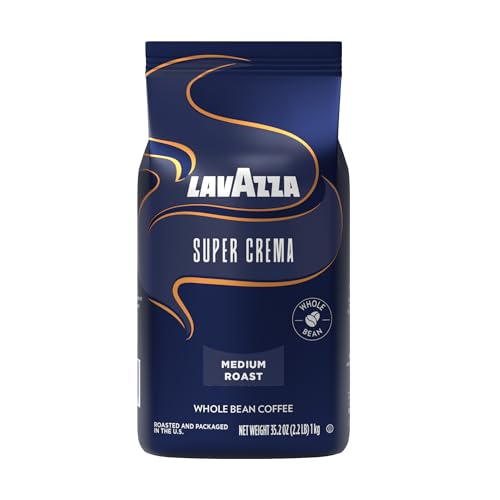
If you want espresso to taste like espresso in an Italian bar, this is the bag I'd keep next to the machine. Lavazza pitches it as full-bodied with a bold, creamy finish, and the robusta in it brings the body and crema that keep a shot from disappearing under a cappuccino's milk. At around $26 for 2.2 lb it comes to about 20 cents a shot (the best coffee beans shows the math). It's a big bag, though. If you only make one latte a day, a 12-ounce bag stays fresher.
Decaf espresso beans
Decaf beans are the same story: regular beans with most of the caffeine removed, then roasted for espresso. Everything above applies, roast date included. Bel Canto Decaf is one organic option, roasted medium with notes of berries and cocoa, good when you want a latte late in the day. For more choices, see the best decaf espresso beans.
Bags that work for espresso
- Lavazza Super Crema the Italian café style, with robusta for body and crema, about 20 cents a shot.$25.70 as of 12:28 PM ET
- Intelligentsia Black Cat Classic Espresso a light-roast espresso, sweet and bright, best drunk straight.$13.05 as of 12:28 PM ET
- Stumptown Hair Bender one bag for espresso in the morning and drip the rest of the day.$13.95 as of 12:28 PM ET
- Allegro Decaf Organic Espresso Bel Canto organic decaf roasted for espresso, for the evening latte.$11.99 as of 12:28 PM ET
If you mostly brew drip or pour-over and want a bag for that, the best coffee beans covers whole bean coffee more broadly.