Oolong Tea vs Green Tea: What's the Difference?
They come from the same plant. What changes is how far the leaf is left to oxidize, and that changes how the cup tastes and how you should brew it.
I earn a commission when you buy through my links, at no extra cost to you. How that worksAmazon prices as of Nov 12, 4:17 AM ET, subject to change. Details
Get green tea if you like a light, fresh, grassy cup and don't mind keeping an eye on the water. Get oolong if green tea tastes thin or sharp to you and you want something rounder and sweeter that you can steep again and again. They're the same leaf, Camellia sinensis, handled two ways: green tea is heated right after picking so it never oxidizes, and oolong is left to oxidize partway, anywhere from 8 to 85 percent, which puts it between green and black tea.
For a first box of each, Ito En is the green tea bag I'd keep in the cupboard, about $9 for 50, and Twinings Oolong is the easy way into oolong, about $10 for 40.
Oolong vs green tea at a glance
| Green tea | Oolong tea | |
|---|---|---|
| The leaf | not oxidized | partly oxidized, 8 to 85 percent |
| Tastes like | grassy, fresh, sometimes savory | honey and fruit, orchid, or toasted and woody |
| Caffeine, 8 oz | about 28 mg | about 38 mg |
| Water | 142 to 189°F (61 to 87°C) | 180 to 212°F (82 to 100°C), by style |
| Steep | 30 seconds to 3 min | 3 to 5 min in a mug |
| Steeps from the same leaf | one to three | three to five |
The caffeine numbers are USDA averages for brewed tea. The steeping clock moves them more than the kind of tea does, as the caffeine section below shows.
How green tea and oolong are made
All true tea starts as the same plant. The NIH's complementary health center describes it this way: green tea is steamed, pan-fried and dried without being fermented, black tea is fermented, and oolong is partially fermented. "Fermented" here means oxidized: once a leaf is bruised, it browns in the air, the way a cut apple does.
Green tea skips that step. Heat stops the leaf from changing, so it keeps its green color and its fresh, vegetal taste. Japanese green teas are usually steamed, which makes them grassy and a little savory; Chinese ones are mostly pan-fired, which makes them nuttier.
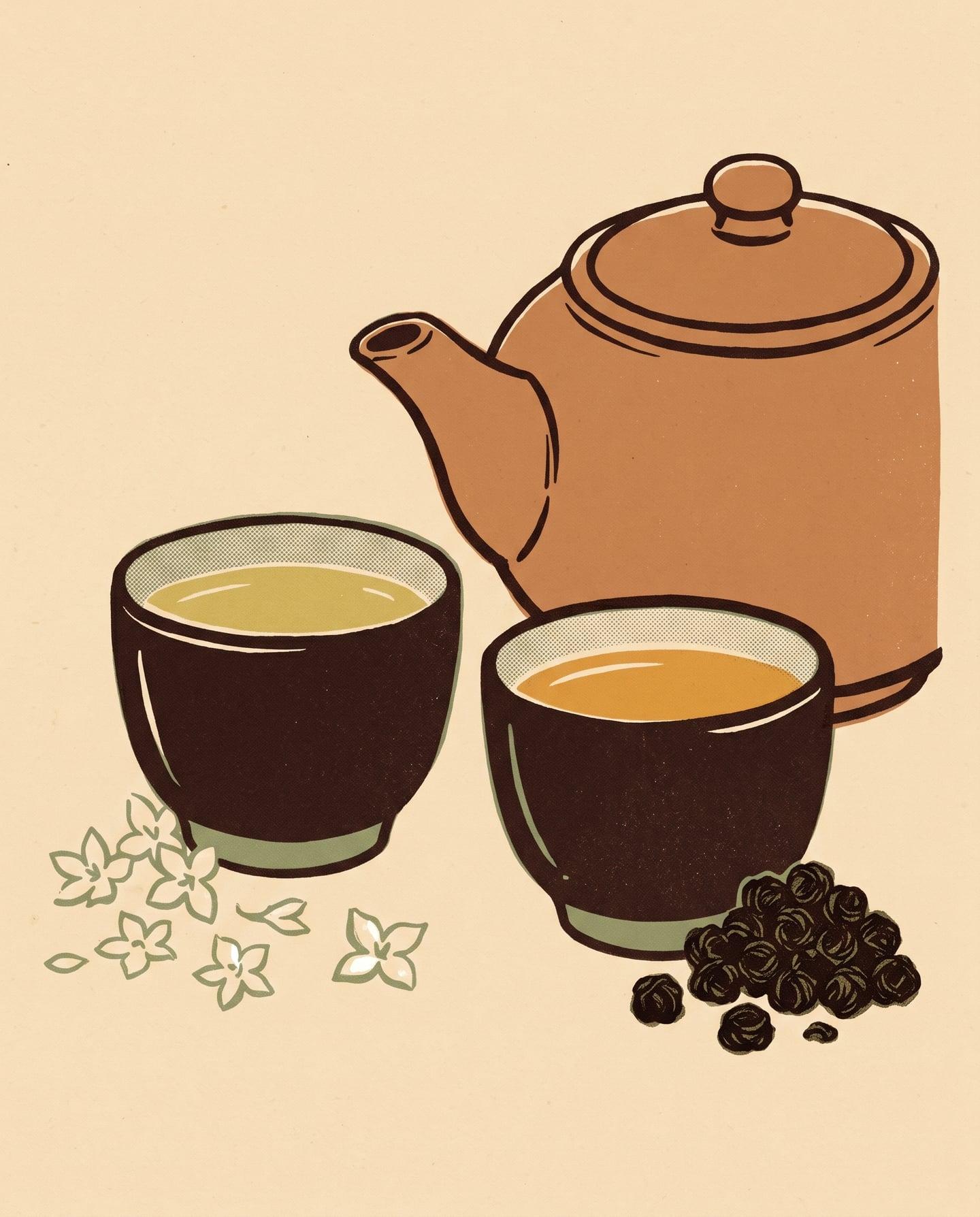
Oolong goes through the browning on purpose. The leaves are wilted in the sun, then shaken and rolled again and again to bruise the edges, and fired when they've changed as much as the maker wants. Where that stops is why two oolongs can be so far apart. A light one, like Tieguanyin from Anxi County in Fujian, is rolled into small tight balls and brews pale gold, floral and creamy. A heavily oxidized and roasted one, like Da Hong Pao from the Wuyi Mountains, is a long dark twist that brews amber and tastes like toast and wood, much closer to black tea.
How they taste
Green tea is the lighter cup. A Japanese sencha tastes grassy and a little savory, with a clean, bright finish; a Chinese green leans toward toasted nuts. Brewed too hot or too long, it turns bitter fast, which is where most people's bad memory of green tea comes from.
Oolong depends on which one you buy. A light rolled oolong smells of orchids and tastes sweet and creamy. A dark roasted one is thicker, woody, sometimes with honey in it, and a black tea drinker will like it better. A grocery-store bag like Twinings Oolong sits in the middle: warm and toasty, mellow enough to take a splash of milk.
In Taiwan, oolong also goes by qingcha, "dark green tea," which tells you how close the light ones sit to green tea.
Oolong vs green tea caffeine: which has more?
Oolong, usually, by a little. The USDA puts a brewed 8 oz mug of oolong at about 38 mg and green tea at about 28 mg. Black tea comes in around 47 mg, and a mug of drip coffee at roughly twice that.
Don't choose between them on caffeine alone. A 2008 lab study of 20 grocery teas measured anywhere from 14 to 61 mg a serving, and the steeping time mattered more than the type of tea. So a green tea left to steep a long time can end up stronger than an oolong pulled quickly. If you want less caffeine, a shorter steep does more than switching teas. For the same question about a spiced cup, see whether chai has caffeine.
Oolong vs green tea benefits
Green tea gets most of the health headlines, and the reason is in the leaf. Oxidation turns a large share of a leaf's catechins, the compounds green tea is known for, into other compounds, like the theaflavins that color black tea. Green tea keeps the most; oolong keeps fewer, and the darker the oolong, the fewer it keeps.
What that does for you is less settled than the labels suggest. The NIH's summary of the research on green tea says firm conclusions can't be reached yet for most of the uses it's promoted for. Its catechins and caffeine may have a modest effect on body weight; green tea lowered LDL cholesterol a little in trials, most of which used extract supplements rather than brewed tea. The cancer studies are inconsistent.
The same summary says there are no safety concerns for green tea drunk as a beverage by adults, apart from its caffeine. The warnings are about extract pills: rare liver injury, and interactions with some medicines, such as the blood pressure drug nadolol. If you take medication, ask your doctor before trying a supplement.
For everyday drinking, pick by taste. If you want the most catechins in the cup, green tea has them. If you'd simply drink more of something rounder, that's oolong.
How to brew green tea and oolong
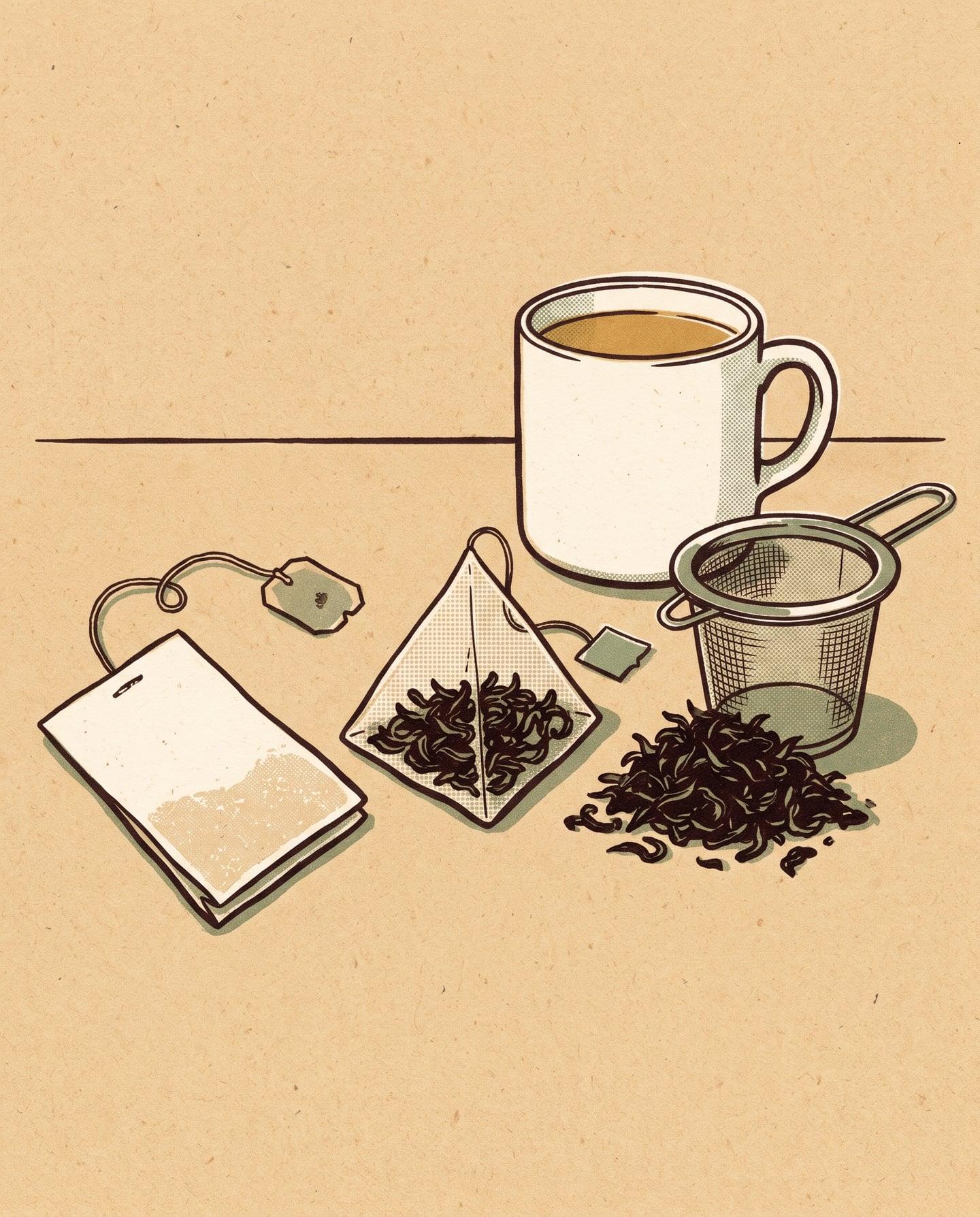
Green tea wants water well off the boil, between 142 and 189°F (61 and 87°C), and a short steep, from 30 seconds to three minutes. If you don't have a kettle with settings, let boiled water sit a few minutes before you pour. Pull the bag on time. A second steep from good loose leaf works; a bag usually gives one.
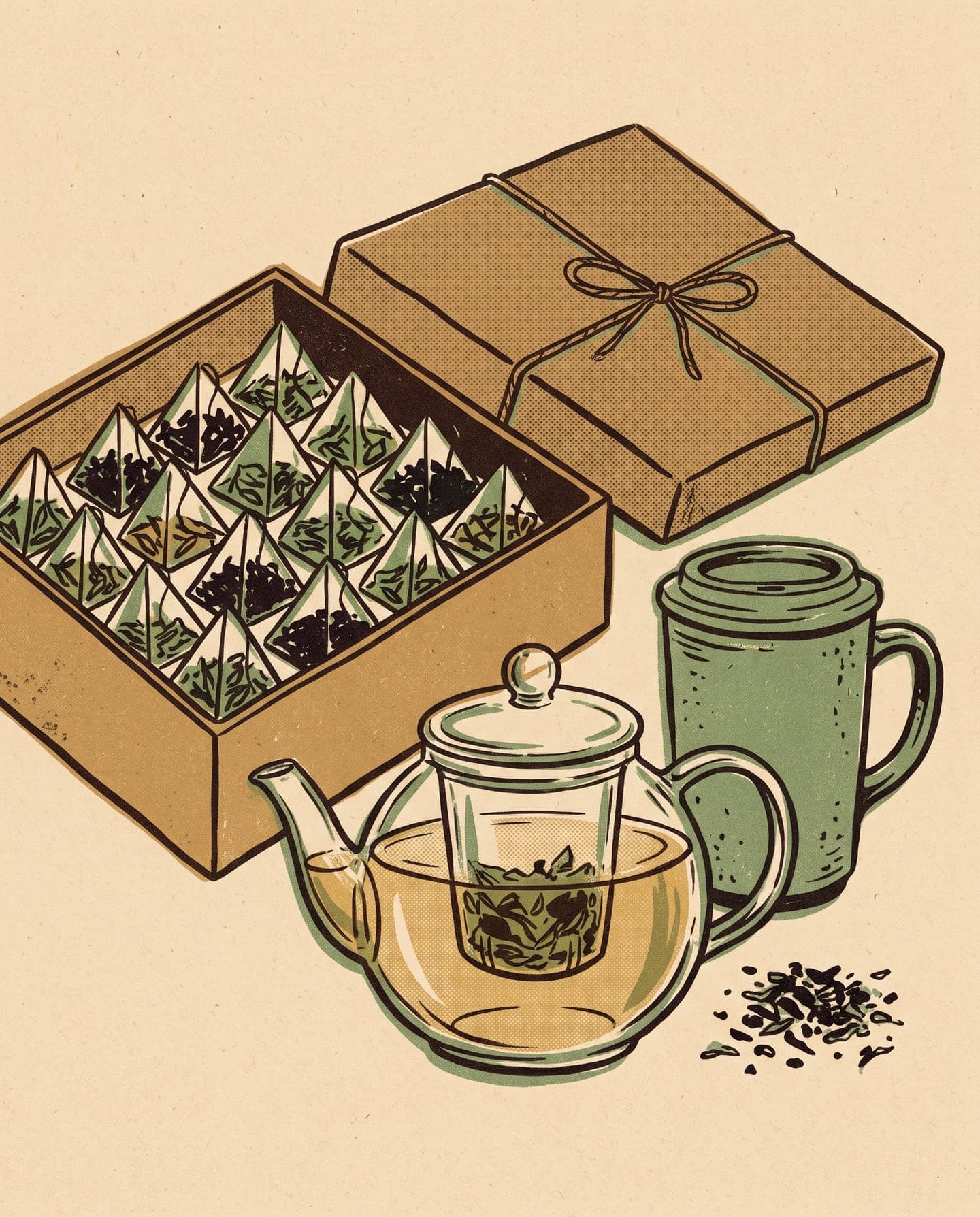
Oolong takes hotter water, and the darker the tea, the hotter. Harney gives 180 to 212°F (82 to 100°C) depending on the oolong, the low end for a light rolled one, close to boiling for a dark roasted one. Twinings says boiling water for three to five minutes for its bags. Loose oolong is the fun part: the rolled balls open slowly, so the same pinch of leaves gives three to five good cups, each a little different. Give each round a little longer than the last.

Loose Tieguanyin is where oolong shows what a bag can't: the rolled leaves open a little more with each round, and one pinch gives several cups. It's the light, orchid-scented style.
Oolong or green tea: which should you buy?
Get Ito En if you already like green tea, or want the lighter cup with the most catechins. It's the top pick in the best green tea, which has a plain bag and loose sencha too. Brew it below a boil and pull the bag on time.
Get Twinings Oolong if green tea has never quite won you over. It's the toasty, forgiving side of the same leaf, and hard to brew badly, since it wants boiling water and three to five minutes.
Get iTeaworld Tieguanyin if you're curious about both. It's floral like a good green tea and rounder like an oolong.
For a flowery cup made on green tea, jasmine vs oolong explains how jasmine tea is made.
Common questions
Is oolong tea a green tea?
No. Oolong is its own type of tea, partly oxidized, while green tea isn't oxidized at all. They come from the same plant, and a very light oolong can taste close to green tea, which is why Taiwan also calls oolong qingcha, "dark green tea." But the making is different, and so is the cup.
Which is better for weight loss, oolong or green tea?
Neither is a weight-loss tool. The research the NIH sums up is mostly on green tea and its extracts, and even there the effect on body weight is modest at best, and it depends on the product and on how active you are. Drink whichever you like better, without sugar.
Can you drink green tea and oolong every day?
Yes, as a drink. The NIH reports no safety concerns for adults who drink green tea as a beverage; the warnings are about concentrated extract pills. Watch the caffeine if you're sensitive to it: a few mugs of either add up to about one or two cups of coffee.
Can you add milk to oolong or green tea?
A dark, roasted oolong or a toasty bag like Twinings can take a splash, and Twinings says with or without milk. Green tea and light oolongs are best plain, since milk covers their fresh taste. For a tea made for milk, look at the types of black tea.